


-

Add: HeBei ShengShi HongBang Cellulose Technology CO.,LTD.
-

Email
13180486930@163.com -

CONTACT US
+86 13180486930




Bauma China stands as a colossal beacon in the global construction machinery and building materials industry, a stage where innovation meets application and future trends are unveiled. Beyond its impressive display of heavy equipment, Bauma China serves as an invaluable nexus for specialized sectors, notably the dynamic world of Cellulose export processing and HPMC (Hydroxypropyl Methylcellulose) manufacturing. For B2B decision-makers, attending or monitoring this exhibition is not merely about observing; it's about gaining critical market insights, forging strategic partnerships, and understanding the trajectory of essential raw materials that underpin modern construction and industrial applications. It's where the next generation of materials, derived from meticulously processed wood cellulose , truly shines. Industry Trend Spotlight: The Evolution of Cellulose Ethers in a Demanding Market The global construction and industrial landscape is experiencing a paradigm shift, increasingly driven by the need for advanced materials that offer superior performance, sustainability, and efficiency. Within this context, the development of multi-functional and tailor-made cellulose ethers for specific applications, such as high-performance dry-mix mortars, renders, and coatings, is gaining unprecedented global attention. This isn't just about a single product; it's about an entire ecosystem built on the remarkable properties of xylem fiber . Manufacturers are pushing the boundaries, creating products that not only enhance workability and durability but also align with stringent environmental standards. A significant driver is the increasing demand for sustainable and bio-based additives. As industries strive to reduce their carbon footprint, materials derived from renewable resources, like fibre made from wood pulp , become indispensable. Concurrently, advancements in formulation efficiency for dry-mix mortars and coatings are paramount. These innovations enable quicker construction, reduced waste, and enhanced longevity of structures, directly impacting project costs and environmental impact. The end goal? Enhanced product performance that translates into improved workability on site and exceptional long-term durability for the final application. Market data emphatically supports this trend: The global cellulose ether market is projected for steady and robust growth, primarily fueled by the expanding construction sector, particularly in the Asia-Pacific region. This growth is not merely quantitative but qualitative, driven by the increasing adoption of green building practices and the escalating demand for high-performance specialty chemicals. Beyond construction, the versatility of cellulose ethers—stemming from meticulous cellulose extraction from wood —will also drive market expansion in pharmaceutical and personal care applications, highlighting their broad industrial significance. Emerging focus areas for cellulose ether manufacturers include: Sustainable construction materials: Developing environmentally friendly binders and thickeners. High-performance building additives: Enhancing properties like water retention, open time, and adhesion. Advanced rheology modifiers: Precision control over material flow and application characteristics. Solutions for energy-efficient buildings: Contributing to thermal insulation and reduced energy consumption. Green chemistry innovations: Pushing the boundaries of eco-conscious manufacturing and product development for cellulose wood fibers . Profiles of Leading Cellulose Export Processing and HPMC Manufacturers Bauma China provides an exceptional platform to engage with the powerhouses driving the Cellulose export processing and HPMC industry. These manufacturers are not just suppliers; they are innovators, partners, and critical components in the global supply chain for advanced building materials and specialty chemicals. HeBei ShengShi HongBang Cellulose Technology CO.,LTD. At the forefront of the Chinese cellulose ether industry is HeBei ShengShi HongBang Cellulose Technology CO.,LTD. This company has rapidly established itself as a pivotal player, renowned for its comprehensive expertise in cellulose ether R&D and manufacturing. Their commitment to innovation extends from the initial cellulose extraction from wood processes to the final refined HPMC products. A strong emphasis on consistent product quality and performance across diverse grades is a hallmark of HeBei ShengShi HongBang. They understand that reliability is paramount for B2B partners, offering tailored solutions that meet precise application requirements, whether it's for tile adhesives, gypsum plaster, or exterior insulation systems. Their advanced manufacturing facilities and stringent quality control protocols ensure that every batch of fibre made from wood pulp derivatives consistently delivers optimal results. Advanced processing and quality control at HeBei ShengShi HongBang Cellulose Technology CO.,LTD. Furthermore, HeBei ShengShi HongBang offers robust technical support for application development. Their team of experts collaborates closely with clients to optimize formulations, troubleshoot challenges, and innovate new applications for xylem fiber products. This collaborative approach fosters long-term partnerships built on trust and mutual success. Their diversified product portfolio serves multiple industrial sectors, including construction, coatings, oil drilling, and more, making them a versatile and reliable partner for a wide array of industrial needs. Their mastery over processing wood cellulose into high-value HPMC is a testament to their engineering prowess. Other Global Leaders in Cellulose Ethers While Chinese manufacturers are rapidly growing in influence, the global HPMC landscape also features several established titans: Ashland: A global leader in specialty ingredients, Ashland offers a wide range of cellulose ethers, particularly known for their performance in personal care, pharmaceuticals, and construction applications. Their focus on innovation and global reach makes them a significant player. DuPont (now IFF's Nutrition & Biosciences): Originally a pioneer in cellulose chemistry, DuPont's cellulose ether business is now part of IFF. They maintain a strong legacy of high-quality products, particularly in construction and food industries, driven by sophisticated cellulose wood fibers processing. Shin-Etsu Chemical: A Japanese chemical giant, Shin-Etsu is highly respected for its premium cellulose derivatives, especially for pharmaceutical and advanced construction applications where consistency and purity are paramount. Shandong Head Co., Ltd.: Another prominent Chinese manufacturer, Shandong Head has made significant strides in both capacity and quality, becoming a key supplier of HPMC for the construction industry within China and globally, showcasing robust Cellulose export processing capabilities. Lotte Fine Chemical: From South Korea, Lotte Fine Chemical produces a diverse portfolio of cellulose ethers, catering to construction, pharmaceutical, and food industries with a focus on consistent quality and technological advancement in fibre made from wood pulp . These companies, together with emerging powerhouses like HeBei ShengShi HongBang, collectively define the competitive and innovative landscape of the global HPMC market. Market Outlook & Opportunities in Cellulose Ethers The future of the Cellulose export processing and HPMC market is brimming with opportunities, shaped by evolving buyer demands and technological advancements. Upcoming trends indicate a strong move towards higher customization, even more stringent quality controls, and products that offer multiple benefits in a single application. Buyers are increasingly seeking not just a product, but a complete solution that can enhance their own offerings. This includes specific rheological profiles, improved water retention, anti-sag properties, and extended open times, all tailored through sophisticated cellulose extraction from wood . Significant opportunities lie in the integration of automation and smart manufacturing processes. Manufacturers leveraging AI and IoT in their production lines can achieve unparalleled consistency, efficiency, and traceability for their wood cellulose derivatives. This not only optimizes costs but also ensures the highest quality standards, which is crucial for sensitive applications. Sustainability remains a colossal opportunity and a pressing demand. Companies that can demonstrate truly green production methods, from sourcing sustainable xylem fiber to minimizing waste and energy consumption, will gain a distinct competitive advantage. Developing bio-degradable or low-VOC (Volatile Organic Compound) versions of cellulose ethers will also cater to an increasingly environmentally conscious market, ensuring that the cellulose wood fibers used contribute to a healthier planet. The emphasis will be on creating value through innovation that aligns with global environmental goals. Buyer/Business Takeaways: Strategizing with Chinese HPMC Manufacturers For B2B decision-makers, understanding the strategic importance of Cellulose export processing and HPMC from China is crucial. Investing in high-quality HPMC makes intrinsic sense because these materials are foundational to enhancing the performance, durability, and sustainability of a vast array of end-products, particularly in the booming construction sector. The reliability and innovation offered by leading Chinese manufacturers are key to maintaining a competitive edge. Here are key tips for adopting or partnering with Chinese manufacturers: Due Diligence is Paramount: Beyond price, evaluate a manufacturer's R&D capabilities, quality control processes, and commitment to environmental standards. Request comprehensive product data sheets and samples for rigorous testing. Focus on Technical Support: Partner with manufacturers who offer strong technical expertise and application support. This collaborative approach can help optimize your formulations and overcome specific challenges, especially when dealing with nuanced fibre made from wood pulp derivatives. Long-Term Partnership Mentality: View relationships with Chinese manufacturers as long-term strategic alliances. Consistency in supply, quality, and innovation is built on trust and mutual understanding. Understand Logistical Strengths: Assess their export processing capabilities, lead times, and global distribution network. Reliability in logistics is as important as product quality for an efficient supply chain. Embrace Customization: Many leading Chinese HPMC manufacturers are adept at producing tailor-made grades. Leverage this capability to develop unique products that give you a market advantage, specifically for your desired application of cellulose wood fibers . To future-proof your strategies, consider manufacturers who are actively investing in sustainable practices, digitalization, and continuous product innovation based on advanced wood cellulose research. Aligning with partners who are forward-thinking in their approach to raw material sourcing (like sustainable xylem fiber ), manufacturing processes, and R&D will ensure your business remains resilient and competitive in a rapidly evolving market. Conclusion: Navigating the Future of Cellulose Ethers Bauma China is more than just an exhibition; it's a critical barometer for the global construction and materials industry. For the Cellulose export processing and HPMC market, it offers unparalleled insights into innovation, sustainability, and market trends. Chinese manufacturers, exemplified by leaders like HeBei ShengShi HongBang Cellulose Technology CO.,LTD., are not merely participants but key architects of the future, driving advancements in product performance and eco-friendliness. Their expertise in the intricate processes of cellulose extraction from wood and refinement into high-quality HPMC is indispensable to industries worldwide. To further explore cutting-edge developments in xylem fiber technology and high-performance HPMC products, we invite B2B decision-makers to delve deeper into the offerings of these industry leaders. Discover Advanced Xylem Fiber Solutions
- 40000tons

Production
- 20+years

Experience
- 5000+㎡

Acreage

-
In today’s age of sustainable manufacturing and eco-conscious innovation, wood cellulose has gained immense relevance across diverse industries. Extracted primarily from plant cell walls, wood cellulose fiber stands out as a natural polymer known for its strength, flexibility, and biodegradability. From construction to textiles, and even personal care, this organic material is changing the way manufacturers approach product performance and environmental impact. Unlike synthetic fibers, wood cellulose is renewable, making it a cornerstone in the evolution of green materials. Its unique chemical structure gives it superior compatibility with other natural and synthetic materials, allowing wide-ranging applications without sacrificing quality or performance. Industries now rely on wood cellulose fiber as a cost-effective, eco-friendly alternative in formulations such as plasterboard, adhesives, coatings, personal hygiene items, and building materials. Because it can absorb and retain water while offering excellent reinforcement, its use is both economical and technically valuable. Understanding the Role of Xylem Fiber in Wood Cellulose Production The source of wood cellulose lies deep within plant structures, particularly in what is known as xylem fiber . These fibers are the water-conducting vessels of vascular plants and form the bulk of wood matter. Xylem fiber is rich in cellulose, and once processed, yields high-purity wood cellulose fiber suitable for commercial use. Harvesting and refining xylem fiber involves a meticulous process that removes lignin and other non-cellulosic components. This results in a product with increased whiteness, flexibility, and hydrophilic properties, making it ideal for industrial applications. Whether used in dry-mix mortars or daily chemical products, this purified wood cellulose enhances workability, improves consistency, and ensures thermal stability. As more manufacturers strive to balance performance with sustainability, xylem fiber continues to demonstrate its superior efficiency and ecological advantage. Its use reinforces the global trend toward adopting plant-derived solutions over petrochemical-based alternatives. The Difference Between Sawdust and Wood Cellulose You Should Know One of the most common misconceptions is the difference between sawdust and wood cellulose . While both originate from wood, they differ significantly in composition, processing, and end-use. Sawdust is the coarse byproduct of mechanical woodworking, consisting mainly of wood particles, bark, and possibly contaminants. In contrast, wood cellulose is refined, purified, and chemically processed to isolate the cellulose fibers from lignin and hemicellulose. Understanding the difference between sawdust and wood cellulose is critical when selecting materials for manufacturing or formulation purposes. Sawdust cannot provide the uniformity, solubility, or performance-enhancing properties that wood cellulose fiber offers. The latter is tailored to specific applications like enhancing viscosity in adhesives or acting as a binder in construction materials. When purity and performance matter, wood cellulose is the superior choice. It undergoes rigorous chemical treatment and screening to ensure the material's consistency, safety, and functionality across all use cases, something sawdust simply cannot match. Why Wood Cellulose Fiber Is Dominating the Industrial Market From construction to personal care, the dominance of wood cellulose fiber in modern industry cannot be overstated. Thanks to its unique properties—such as moisture retention, film-forming ability, and thermal insulation—it is preferred in numerous applications ranging from cementitious products to cosmetic creams. In the building industry, wood cellulose fiber improves the workability and adhesion of mortar and plaster. In daily chemical goods, its thickening and stabilizing properties enhance the feel and shelf life of products. Its biodegradability also ensures that products made with wood cellulose fiber leave minimal environmental footprint, aligning with today’s green production goals. Moreover, wood cellulose is highly compatible with other substances like starch ether and HPMC, commonly used in dry-mix systems. This makes it an irreplaceable additive in tile adhesives, wall putty, and EIFS (external insulation and finish systems). Its natural origin and performance advantages give it an edge over synthetic alternatives. Applications and Market Outlook for Wood Cellulose and Xylem Fiber The global demand for wood cellulose and xylem fiber continues to rise, driven by increasing emphasis on eco-friendly materials and biodegradable solutions. Industries are leveraging these fibers to meet sustainability standards while enhancing product quality. In paper manufacturing, wood cellulose fiber is the primary raw material used to achieve high whiteness and printability. In agriculture, it serves as a soil conditioner that retains water and improves aeration. The paint and coatings industry uses it to stabilize emulsions and improve spreadability. Even in personal care products, wood cellulose finds its place as a thickening agent in lotions, shampoos, and toothpaste. Thanks to its versatility and eco-benefits, wood cellulose is expected to remain a critical material in green technologies. Companies investing in high-purity xylem fiber sourcing and innovative processing methods are likely to gain a significant market advantage in the coming years. Xylem fiber FAQs What is the main difference between wood cellulose and xylem fiber? Xylem fiber is the structural component of vascular plants responsible for transporting water, whereas wood cellulose is a processed derivative of these fibers. The cellulose is extracted from xylem fiber through chemical and mechanical processing to yield a purified product used in industrial applications. Can wood cellulose replace synthetic polymers in industrial use? Yes, wood cellulose fiber can effectively replace many synthetic polymers, especially in applications that require biodegradability, moisture retention, or thickening. It offers comparable performance with a much lower environmental impact, making it ideal for green manufacturing. Is there any overlap between sawdust and wood cellulose in use? Not really. While both come from wood, sawdust is a raw byproduct used mainly for low-grade applications like animal bedding or fuel. Wood cellulose , on the other hand, is chemically refined for high-performance industrial applications, making them fundamentally different in quality and use. How is wood cellulose used in construction materials? In the construction industry, wood cellulose fiber is added to dry-mix mortar, tile adhesives, and plasters to enhance workability, water retention, and bonding strength. It improves the rheological properties of the mixture, resulting in smoother application and longer open time. Why is wood cellulose considered environmentally friendly? Wood cellulose is biodegradable, renewable, and derived from natural sources. Unlike petroleum-based materials, it decomposes safely in the environment and does not contribute to long-term pollution. Its use supports sustainable industrial practices and reduces carbon footprint.
-
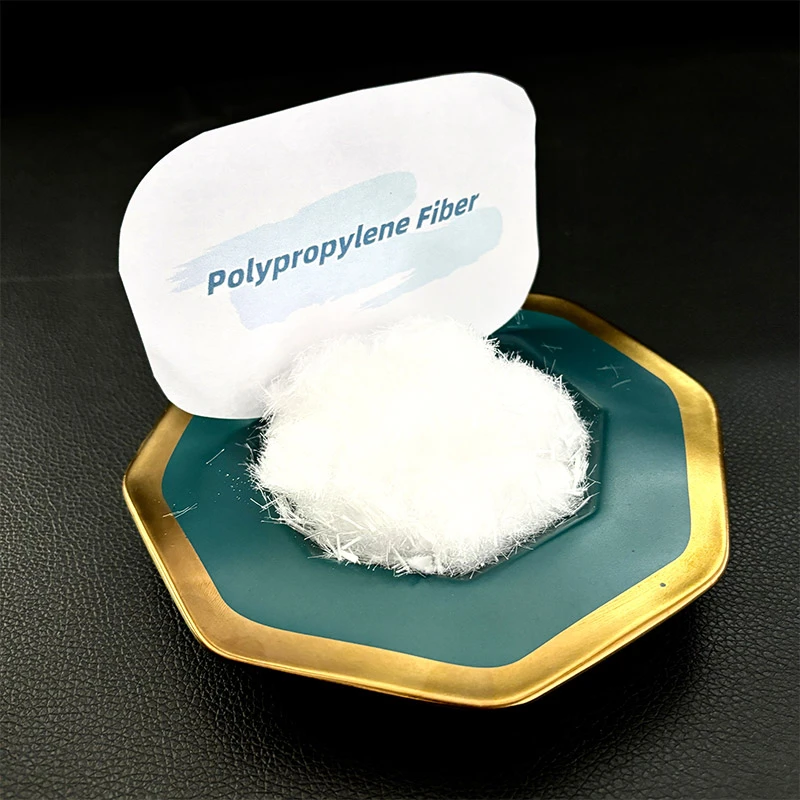
HPMC (Hydroxypropyl Methylcellulose) là một polymer bán tổng hợp, có khả năng hòa tan trong nước, được sử dụng rộng rãi trong nhiều ngành công nghiệp, bao gồm thực phẩm, dược phẩm, mỹ phẩm và vật liệu xây dựng. Với việc chú trọng vào các tiêu chí E-E-A-T (Experience, Expertise, Authoritativeness, Trustworthiness), bài viết này sẽ cung cấp cái nhìn sâu sắc về các cấp độ (grades) của HPMC và cách chúng có thể đáp ứng nhu cầu của các ngành công nghiệp khác nhau. Một trong những yếu tố quan trọng nhất khi lựa chọn HPMC là sự đa dạng của các cấp độ, mỗi cấp độ được thiết kế để đáp ứng các nhu cầu cụ thể. Các cấp độ của HPMC được phân loại dựa trên độ nhớt, mức độ polymer hóa và thành phần hóa học. Độ nhớt của HPMC có thể dao động từ rất thấp đến rất cao, tương ứng với khả năng tạo độ dày hoặc ổn định của sản phẩm cuối cùng. Khả năng điều chỉnh độ nhớt làm cho HPMC trở thành lựa chọn lý tưởng cho các ứng dụng như chất làm đặc, chất ổn định trong mỹ phẩm, hoặc tá dược trong ngành dược phẩm. Kinh nghiệm sử dụng HPMC trong các ngành công nghiệp cho thấy rằng sự lựa chọn cấp độ phù hợp là cần thiết để tối ưu hóa hiệu suất sản phẩm. Ví dụ, trong ngành dược phẩm, HPMC được đánh giá cao trong việc sản xuất thuốc viên giải phóng theo thời gian. Với các cấp độ có độ nhớt cao, HPMC có thể tạo ra một lớp màng bao bên ngoài viên thuốc, đảm bảo thuốc được phát hành từ từ qua thời gian, cải thiện hiệu quả điều trị và giảm tác dụng phụ. Về mỹ phẩm, HPMC giúp cải thiện độ ổn định và cảm giác trên da của sản phẩm . Các cấp độ HPMC thấp thường được sử dụng trong các sản phẩm dưỡng ẩm và serums để tạo kết cấu mượt mà và dễ thẩm thấu. Sự linh hoạt của HPMC trong việc hình thành các loại gel và dung dịch giúp tăng cường cảm giác mềm mịn khi bôi sản phẩm lên da, tạo ra trải nghiệm người dùng tích cực. HPMC như các cấp Trong xây dựng, HPMC được sử dụng như một phụ gia cải thiện khả năng chống nước và độ bền của vữa. Các cấp độ có độ nhớt cao là lựa chọn hàng đầu trong việc cải thiện những đặc tính này, vì chúng tạo ra một mạng lưới polymer mạnh mẽ, chống thấm và chịu lực tốt. Điều này không chỉ giúp kéo dài tuổi thọ của các công trình xây dựng mà còn giảm thiểu chi phí bảo trì. Sự uy tín và tính chuyên môn khi sử dụng HPMC trên toàn cầu được củng cố qua nhiều nghiên cứu và báo cáo kỹ thuật. Các nhà khoa học và chuyên gia công nghiệp đã tiến hành nhiều thí nghiệm và phân tích để xác nhận tính hiệu quả và an toàn của HPMC ở các cấp độ khác nhau. Sự tin tưởng vào HPMC đến từ việc nó được kiểm nghiệm qua thời gian, và được chấp thuận bởi nhiều cơ quan kiểm định chất lượng quốc tế. Tính đáng tin cậy của HPMC cũng được thể hiện qua khả năng tái tạo và an toàn với môi trường. Được sản xuất từ cellulose thực vật, HPMC không chỉ bền vững mà còn an toàn, không gây nguy hại cho con người và hệ sinh thái. Điều này tạo ra sự hấp dẫn cho các công ty quan tâm đến phát triển bền vững. Có thể thấy, sự thấu hiểu sâu sắc về các cấp độ khác nhau của HPMC và ứng dụng phù hợp không chỉ tăng cường hiệu suất sản phẩm mà còn tạo ra giá trị lâu dài cho cả doanh nghiệp và người tiêu dùng. Sự kết hợp giữa trải nghiệm thực tế và kiến thức chuyên sâu chính là yếu tố quan trọng đưa HPMC trở thành lựa chọn hàng đầu trong nhiều ngành công nghiệp.
advantages
-

200000 Viscosities
Excellent product
We can produce pure products up to 200,000 viscosities
-

40000 tons
High yield
We don’t stop production all year round, and the annual output can reach 40,000 tons
-

24 hours
Quality service
We provide 24-hours online reception service, welcome to consult at any time
———— Inquiry Form
Schedule A services
-
 fibreglass_mesh_for_concrete
Oct . 25, 2025
The Role of Starch Producers in the Ether Industry In the evolving landscape of modern industry, the -
 hpmc_solutions_llc
Oct . 25, 2025
In the construction world, performance and durability are top priorities. Hydroxypropyl methylcellul -
 bubuk_vae
Oct . 25, 2025
Hydroxypropyl methylcellulose (HPMC) is a versatile polymer extensively used across various industri


